
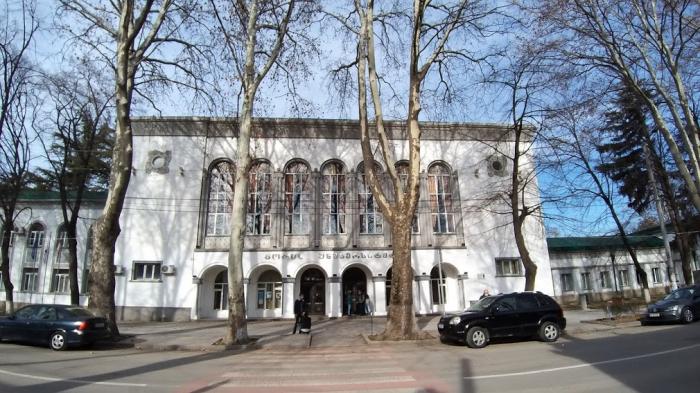
Gori State Teaching University
Teacher education & regional development hub for Shida Kartli
About
Gori State Teaching University (GSTU) is a public institution located in Gori, the administrative center of Shida Kartli. The university traces its roots to the Transcaucasian Teachers Seminary founded in 1876 and was re-established in its current form in 1999 when Gori State University merged with Tskhinvali State University. GSTU focuses on teacher education, humanities, social sciences, business, agrarian and environmental studies, and applied IT to support the socio-economic recovery of central Georgia.
The campus includes modern teaching blocks, inclusive education centers, STEM laboratories, a media studio, agricultural experiment plots, and regional research centers dedicated to peacebuilding and cultural heritage studies. GSTU collaborates with UNICEF, Erasmus+, DAAD, and Caucasus-based NGOs to deliver bilingual teacher training, digital education curricula, and community outreach programs in conflict-affected villages. International students receive Georgian language preparation, housing assistance, and mentorship through the International Relations Office.
College Highlights
College Highlights
Key Accreditations & Recognitions
Key Accreditations & Recognitions
National Accreditation
Authorized by the Georgian National Center for Educational Quality Enhancement (NCEQE) and aligned with national teacher certification standards.
Global Recognition
Member of the European University Association (EUA) and the International Association of Universities (IAU); active in Erasmus+, Tempus, and DAAD education projects.
Comprehensive Facilities
Teacher resource center, STEM and robotics labs, inclusive education hub, regional research institute, agricultural demo fields, and student dormitories.
Specialties
Specialties
Academic Programs
Undergraduate Programs
Education & Psychology (BA)
Duration: 4 years
Medium: Georgian with English electives
Faculty: School of Education & Psychology with UNICEF-backed inclusive pedagogy labs
Eligibility: High school diploma; Georgian language proficiency; interview for international applicants
Highlights: Practicum in Shida Kartli schools, inclusive education center, Erasmus+ exchanges in teacher training
Georgian Philology & Cultural Heritage (BA)
Duration: 4 years
Medium: Georgian (English-taught modules available)
Faculty: Humanities faculty with research on regional literature, folklore, and heritage preservation
Eligibility: High school diploma; Georgian proficiency; essay
Highlights: Fieldwork in historical monuments, collaboration with museums, bilingual education electives
Business & Public Administration (BBA)
Duration: 4 years
Medium: Georgian & English tracks
Faculty: Business and Social Sciences with lecturers from regional government and SME sector
Eligibility: High school diploma; math/logic exam; English B1 for English track
Highlights: Entrepreneurship incubator, municipal internships, Erasmus+ mobility to Baltic partner universities
Postgraduate Programs
Environmental & Agrarian Sciences (BSc)
Duration: 4 years
Medium: Georgian
Faculty: Natural Sciences & Agrarian faculty with demo plots and environmental monitoring labs
Eligibility: High school diploma with science courses; Georgian proficiency
Highlights: Sustainable farming projects, forestry internships, collaboration with regional agribusinesses
MA in Educational Leadership & Inclusive Practices
Duration: 2 years (evening format)
Medium: Georgian with English workshops
Eligibility: Bachelor’s degree in education or related field; teaching experience preferred
Highlights: Co-designed with UNICEF/USAID, focus on curriculum innovation, inclusive policy, and digital pedagogy
University Highlights
- Legacy of the 1876 Transcaucasian Teachers Seminary; re-established in 1999 to serve Shida Kartli.
- Offers bachelor’s and master’s degrees in pedagogy, humanities, social sciences, business, agrarian & environmental studies, and applied IT.
- Inclusive Education Center, bilingual teaching labs, and psychosocial services support displaced and minority learners.
- STEM labs, media studio, agriculture demo plots, and the Gori Regional Research Institute drive applied learning.
- Erasmus+, DAAD, Tempus, and USAID partnerships deliver exchanges, curriculum renewal, and bilingual pedagogy initiatives.
- Community outreach brings teacher training, entrepreneurship mentoring, and cultural programmes to rural municipalities.
Fee Structure
| Course | Year Fee (USD) |
|---|---|
| BA Education & Psychology | 2,200 USD per year |
| BA Georgian Philology & Cultural Heritage | 2,000 USD per year |
| BBA Business & Public Administration | 2,300 USD per year |
| BSc Environmental & Agrarian Sciences | 2,100 USD per year |
| MA Educational Leadership & Inclusive Practices | 2,500 USD per year |
| Student Dormitory & Meal Plan | 1,200 USD per year |
Note: Tuition is billed in GEL; USD values are approximate. Visa, insurance, practicum travel, and certification exams are additional. GSTU offers Georgian state grants, socially vulnerable student stipends, Erasmus+/DAAD mobility funding, and need-based discounts for conflict-affected students.
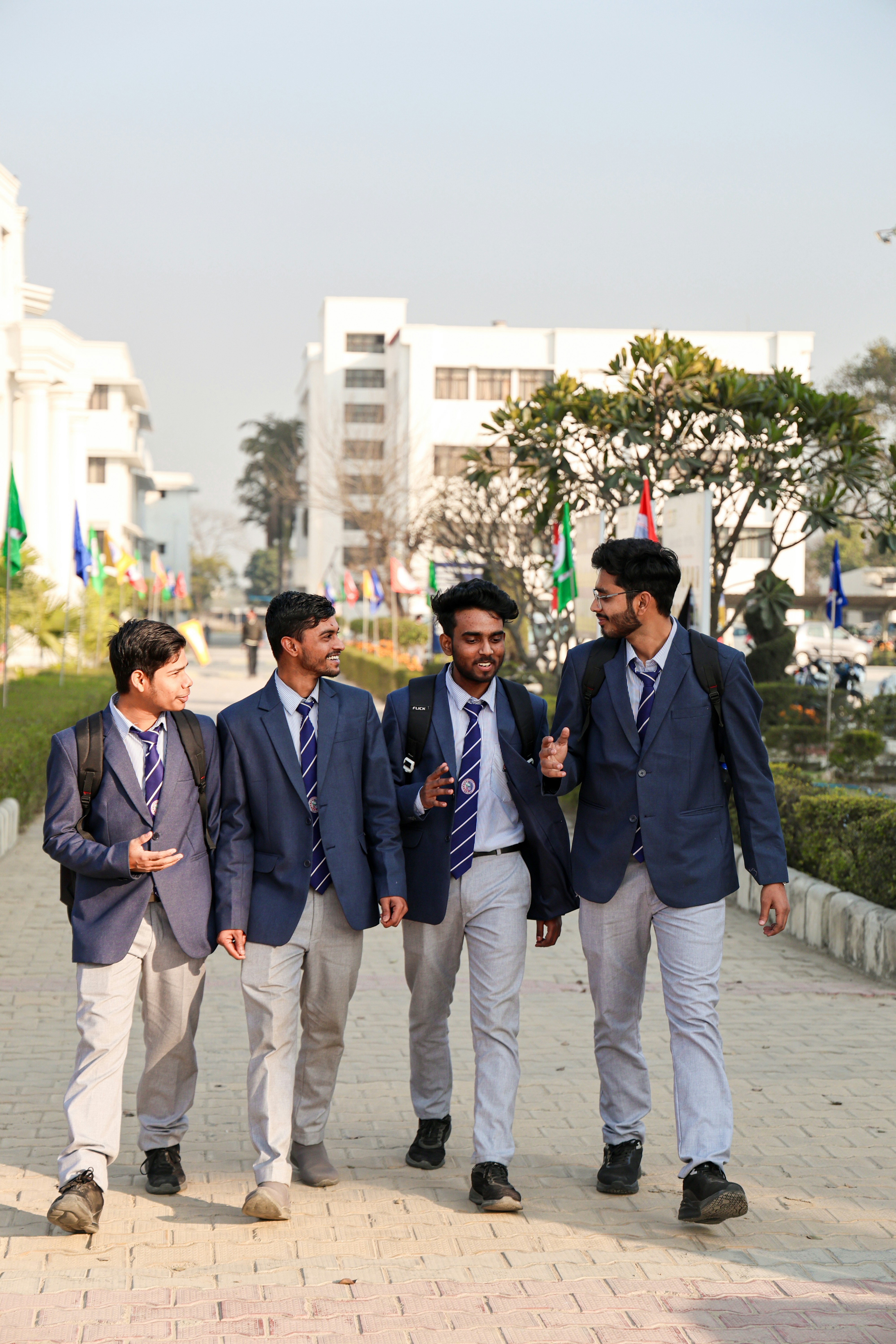
Campus Photos





Student Reviews & Ratings
Share Your Experience
Help other students by sharing your experience at this university
Write a ReviewRajesh Kumar
December 2024"GSTU gave me classroom experience in Gori and surrounding villages, plus Erasmus seminars in Poland. The inclusive education center and language tutors helped me adapt quickly."
Frequently Asked Questions
Admissions
What are the admission requirements for undergraduate programs?
Applicants need a recognized secondary diploma, must pass the Georgian Unified National Exams or GSTU’s international admission assessment, and provide English B1 certificates for English-track courses. Some programs require essays or interviews.
Are GSTU degrees recognized internationally?
Yes. GSTU is accredited by NCEQE, participates in the European University Association and Erasmus+/DAAD networks, and awards ECTS-compliant degrees recognized across Europe.
What documents are required during admission?
Submit notarized academic transcripts, passport copy, birth certificate, English proficiency proof (if applicable), CV, motivation letter, and a financial support affidavit. International applicants must legalize/apostille documents per Georgian regulations.
Fees & Living
What is the average cost of living in Gori for students?
Students typically spend 300–400 USD per month covering shared apartments or GSTU dorms (120–170 USD), meals, utilities, and local transport (bus cards under 10 USD). Gori’s cost of living is lower than Tbilisi, making it budget-friendly.
Are there scholarships available for international students?
Yes. GSTU provides Georgian state grants, socially vulnerable student stipends, Erasmus+/DAAD mobility funding, and special scholarships for teachers working in rural or bilingual schools.