
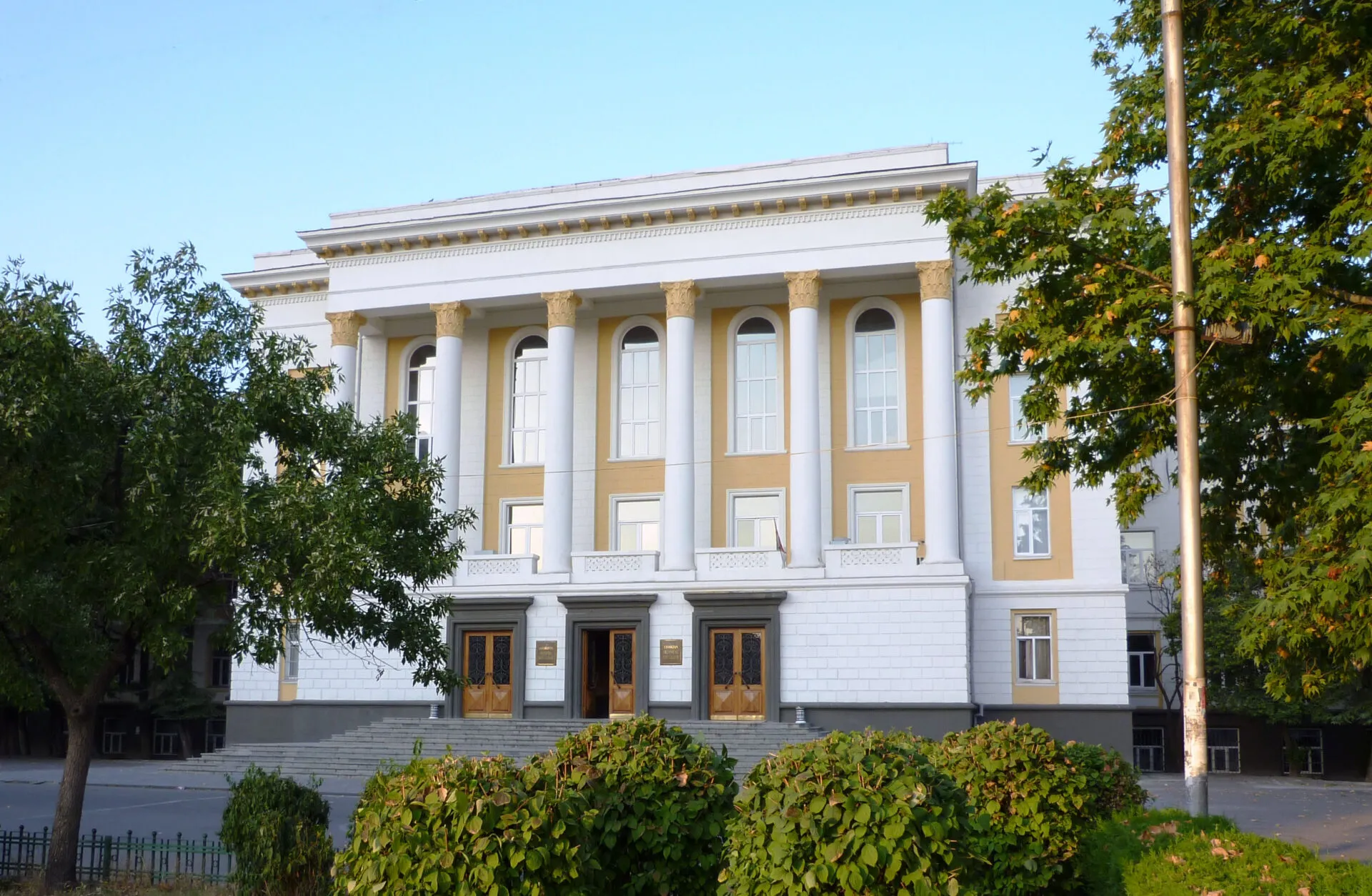
Georgian Technical University
Georgia’s flagship public engineering and technology university
About
Georgian Technical University (GTU) is the country’s largest engineering-focused public university. Founded in 1922 as the Polytechnic Faculty of Tbilisi State University and reorganized as an independent institution in 1928, GTU now enrolls more than 20,000 students across engineering, architecture, IT, business, law, and applied sciences. The university’s mission is to develop industry-ready engineers and researchers who support Georgia’s infrastructure, energy, transportation, and digital transformation projects.
GTU operates 14 faculties and 40+ research institutes covering civil and transport engineering, power & electrical systems, mining & geology, chemical technology, architecture & urban planning, computer science, business & law, and design. Facilities include accredited testing labs, a renewable energy research center, CISCO and Microsoft academies, geodesy & GIS labs, a nanotechnology research center, and an aerospace laboratory that co-developed Georgia’s first cube satellite. The university participates in Horizon Europe, Erasmus+, DAAD, and USAID projects, collaborating with Siemens, BMW, Thales, and regional infrastructure agencies.
College Highlights
College Highlights
Key Accreditations & Recognitions
Key Accreditations & Recognitions
National Accreditation
Authorized by the Georgian National Center for Educational Quality Enhancement (NCEQE) with state-funded status. Engineering programs meet requirements of the Georgian Association of Engineers (GSE) and national construction codes.
Global Recognition
Member of the European University Association (EUA), International Association of Universities (IAU), DAAD Eastern Partnership initiatives, and Erasmus+ alliances. GTU participates in FEANI and EUR-ACE engineering accreditation projects.
Comprehensive Facilities
ISO-certified testing labs, smart grid & renewable energy center, transportation simulation lab, mining/geology core labs, CISCO/Microsoft/Oracle academies, architecture studios, and student dormitories.
Specialties
Specialties
Academic Programs
Undergraduate Programs
Civil & Infrastructure Engineering (BEng)
Duration: 4 years
Medium: Georgian & English tracks
Faculty: School of Civil Engineering & Architecture with researchers involved in national highway, metro, and hydropower projects
Eligibility: High school completion with Physics & Mathematics; national exams or GTU international admission; English proficiency (IELTS 6.0) for English track
Highlights: Structural modeling labs, BIM studio, internships with Roads Department, ADB-funded infrastructure projects
Computer Systems & Cybernetics (BEng)
Duration: 4 years
Medium: Georgian & English
Faculty: Faculty of Informatics & Control Systems with Cisco, Microsoft, and Siemens academies
Eligibility: High school diploma, math/physics entrance scores; English proficiency for international applicants
Highlights: Embedded systems lab, AI & robotics center, participation in NASA Space Apps and Eurobot, dual degrees with German universities
Architecture & Urban Design (BArch)
Duration: 5 years
Medium: Georgian (select studios in English)
Faculty: School of Architecture, Urbanism & Design with studios led by practicing architects and urban planners
Eligibility: High school diploma, creative portfolio, drawing exam, and English B2 for optional international studios
Highlights: Digital fabrication lab, urban resilience projects with UNDP, exchange studios with Politecnico di Milano
Postgraduate Programs
MSc in Sustainable Energy & Power Systems
Duration: 2 years
Medium: English
Eligibility: Bachelor’s in electrical/power engineering or related field; GPA ≥ 2.5/4; English proficiency (IELTS 6.0 or equivalent)
Highlights: Smart grid labs, cooperation with Georgian State Electrosystem, EU-funded energy transition research, dual supervision with German partner universities
University Highlights
- Established in 1922 (independent since 1928) as Georgia’s flagship public engineering university.
- 14 faculties with 200+ programs spanning civil, transport, power, mining, architecture, IT, business, and law.
- Lead partner in Horizon Europe, Erasmus+, DAAD, and USAID projects on renewable energy, Industry 4.0, and smart mobility.
- Industry collaborations with Siemens, BMW, BP, ThyssenKrupp, Georgian Railway, and GSE provide labs, internships, and joint research.
- Hosts CubeSat and aerospace labs, smart grid & renewable energy center, additive manufacturing hub, and GIS/remote sensing labs.
- Extensive student services: dormitories, innovation hubs, career centre, and dual-degree/exchange pathways with Germany, France, Poland, and the US.
Fee Structure
| Course | Year Fee (USD) |
|---|---|
| Civil & Infrastructure Engineering (BEng) | 3,200 USD per year |
| Computer Systems & Cybernetics (BEng) | 3,000 USD per year |
| Architecture & Urban Design (BArch) | 3,300 USD per year |
| Mining, Geology & Environmental Engineering | 2,800 USD per year |
| MSc Sustainable Energy & Power Systems | 3,800 USD per year |
| Dormitory & Student Services | 900 – 1,200 USD per year |
Note: Tuition is invoiced in GEL (USD values shown for guidance). Engineering labs, studio supplies, field trips, visa, and insurance fees are extra. State-funded places and merit scholarships can cover 70–100% of tuition for top scorers.
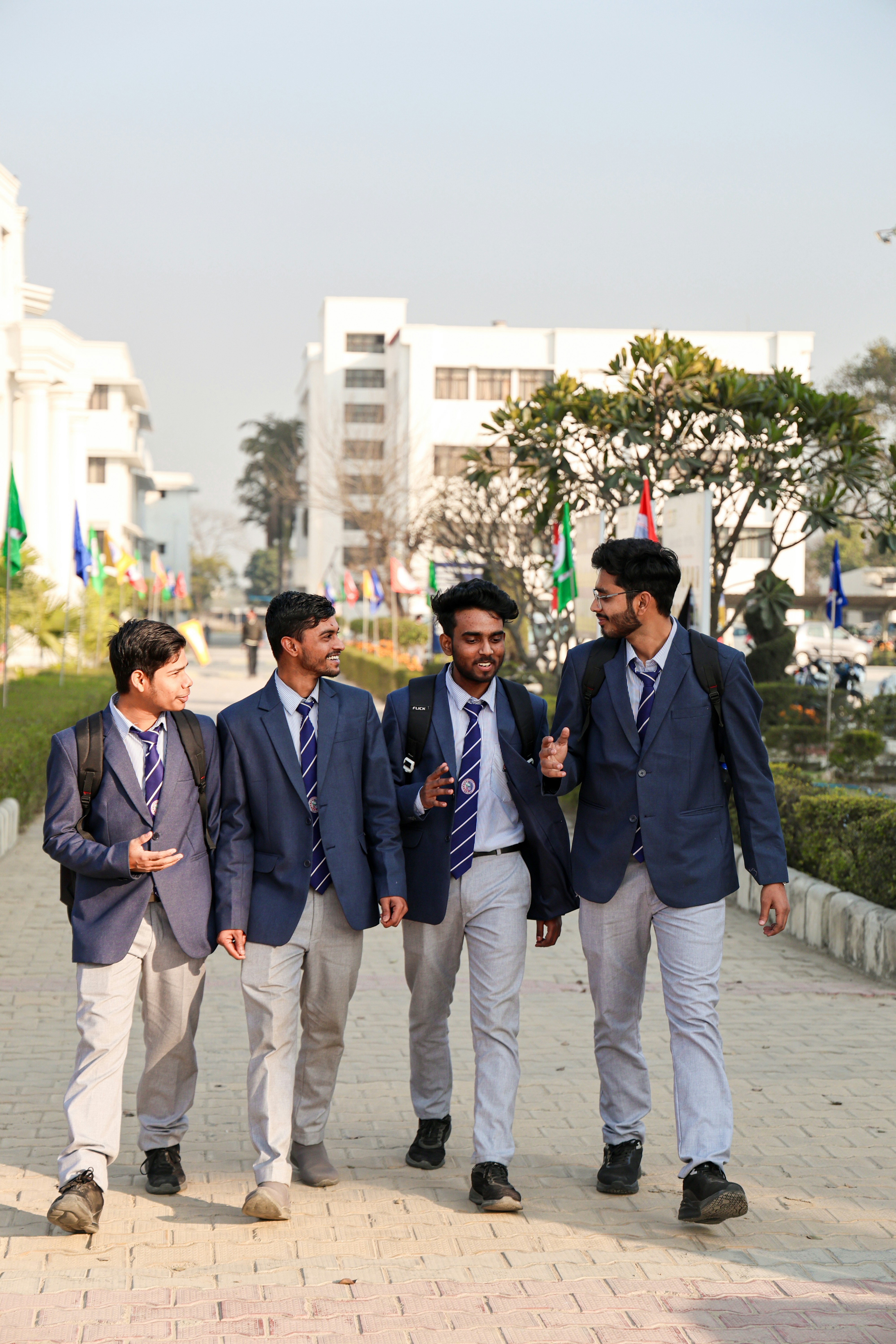
Campus Photos





Student Reviews & Ratings
Share Your Experience
Help other students by sharing your experience at this university
Write a ReviewRajesh Kumar
December 2024"GTU’s power engineering labs and Siemens equipment make learning very practical. I joined the Erasmus+ exchange in Poland and returned to work on a smart grid research project with Georgian State Electrosystem."
Frequently Asked Questions
Admissions
What are the admission requirements for engineering programs?
Applicants need a recognized secondary diploma with strong Mathematics and Physics grades, must pass the Georgian Unified National Exams (or GTU international entrance test), and meet English proficiency requirements (IELTS 6.0 / TOEFL 72) for English-taught tracks. Architecture candidates additionally submit a portfolio and drawing exam.
Are Georgian Technical University degrees recognized internationally?
Yes. GTU is accredited by NCEQE, a member of the European University Association, and its programs follow ECTS. Engineering faculties collaborate with EUR-ACE/FEANI initiatives, enabling graduates to pursue licensure or graduate study across the EU, UK, and North America.
What documents are required during admission?
Submit notarized academic transcripts, passport copy, birth certificate, English proficiency proof, CV, motivation letter, two references, portfolio (for Architecture/Design), and financial statement. International documents must be legalized/apostilled according to Georgian migration rules.
Fees & Living
What is the average cost of living in Tbilisi for GTU students?
Students typically spend 330–430 USD per month including dormitory/shared apartment (120–200 USD), meals, metro/bus pass, utilities, and personal expenses. Laboratory-intensive programs may require additional safety gear or field trip costs.
Are there scholarships available for international students?
Yes. GTU provides state-funded spots, merit scholarships (30–100% tuition waivers), Erasmus+ mobility stipends, DAAD scholarships, and industry-sponsored assistantships. Maintaining GPA requirements and research activity is necessary to renew support.